Migration
Exploring patterns, drivers, and impacts of migration within and beyond Ghana's borders.
Academic · Researcher · Mentor · Changemaker
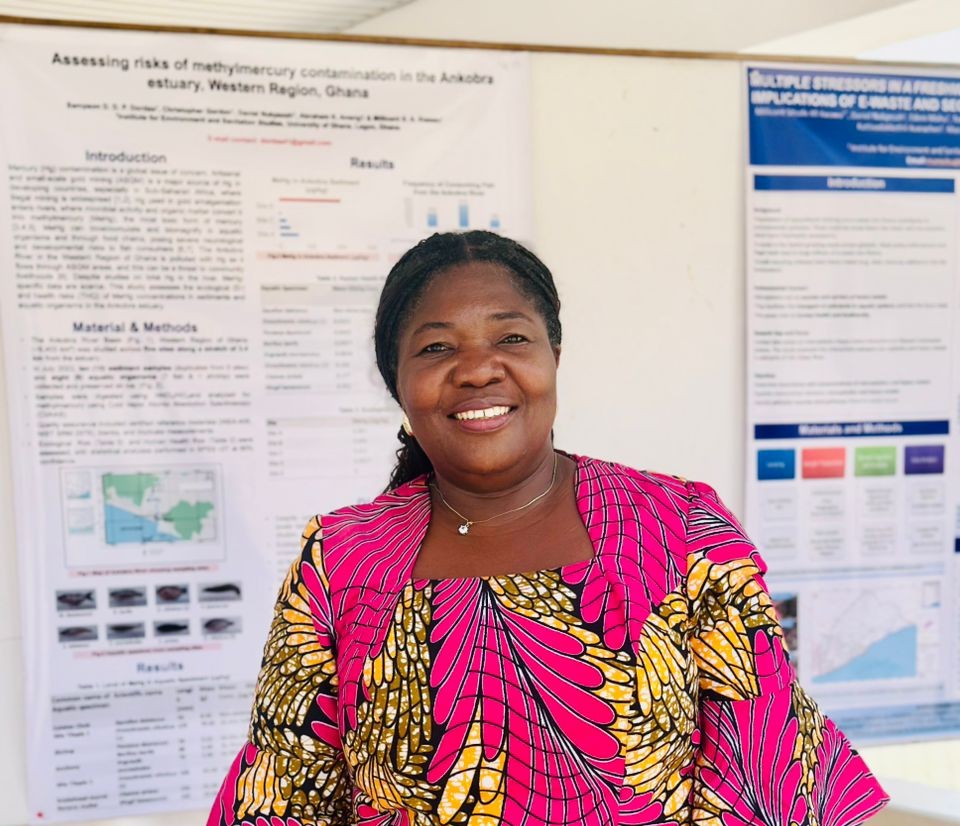
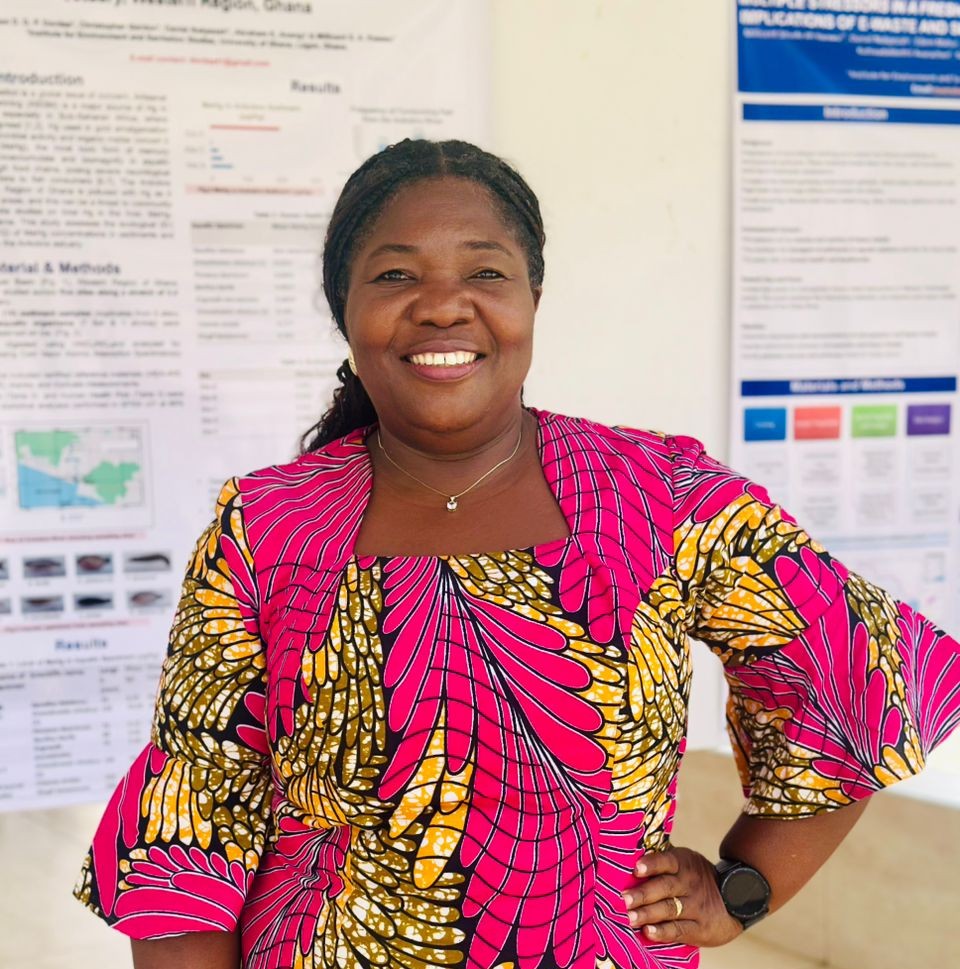
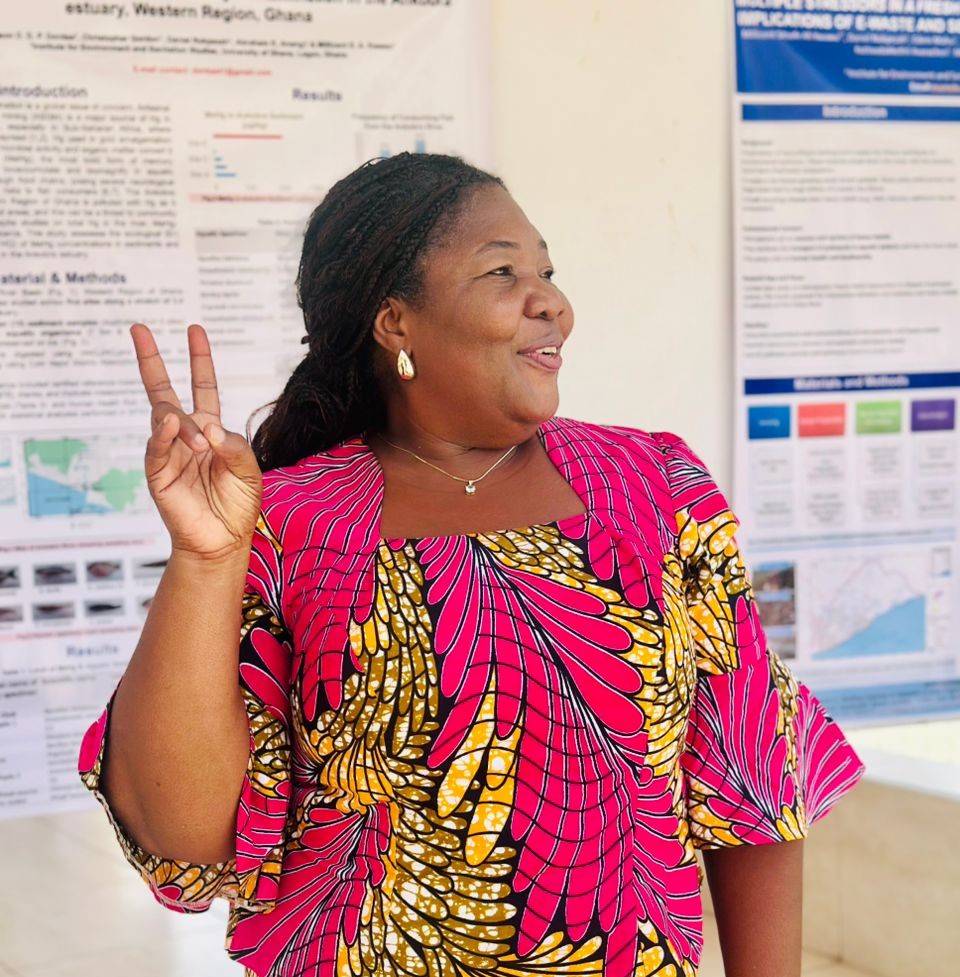
Dr. Cynthia Addoquaye Tagoe is an accomplished academic, researcher, and educator with over two decades of distinguished service in higher education. She has dedicated her career to advancing knowledge in the social sciences, nurturing the next generation of scholars, and driving meaningful social impact across Ghana and beyond.
A Senior Research Fellow at the Institute of Statistical, Social and Economic Research (ISSER), University of Ghana, Dr. Addoquaye Tagoe brings rigorous scholarly insight to some of the most pressing development challenges facing contemporary African societies, including migration, governance, gender equity, and urban development.
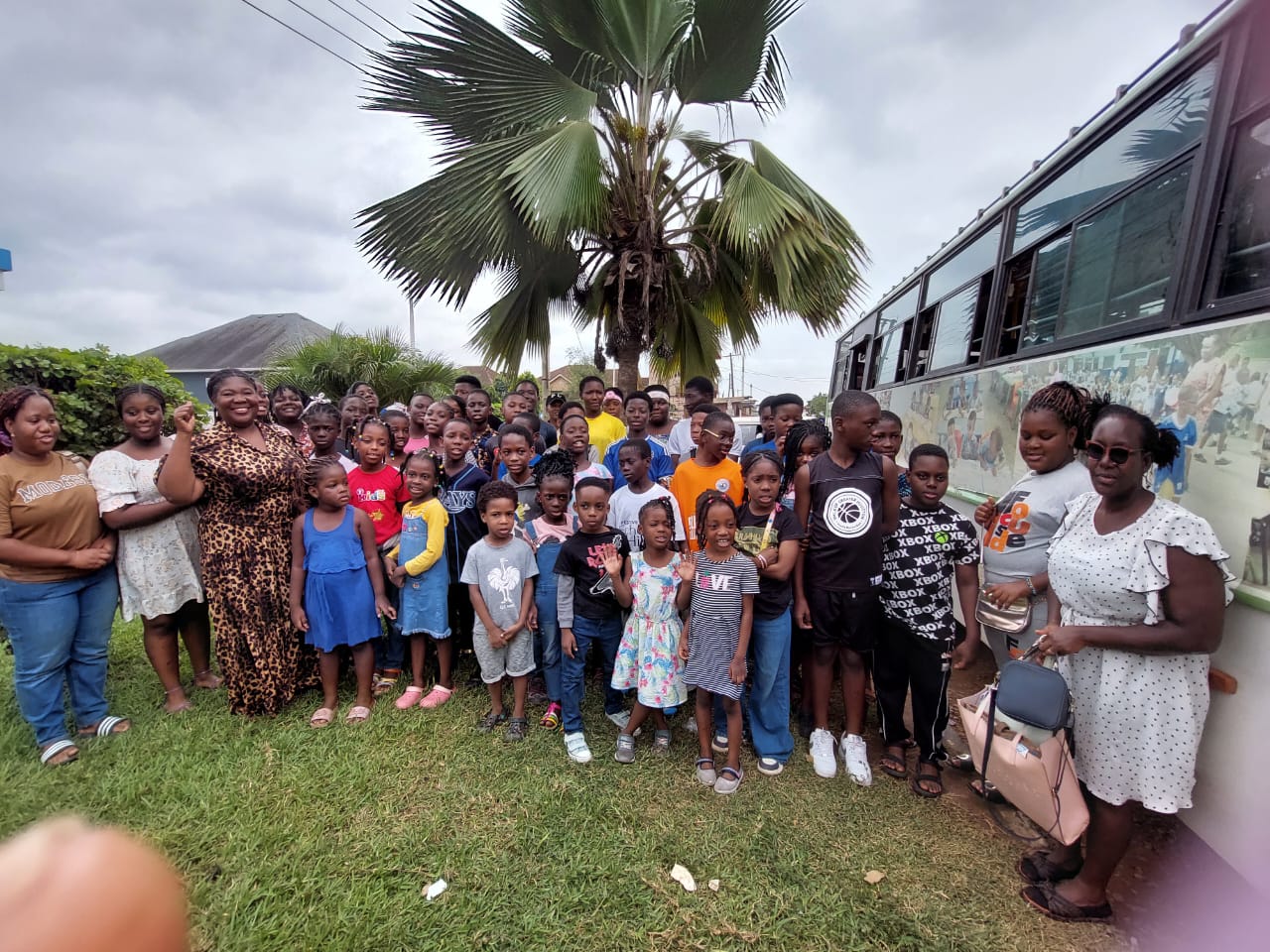
Beyond her research, Dr. Addoquaye Tagoe is a dedicated educator and mentor. She is the founder of SWAG Mentorship, a programme that has guided over 150 students and alumni to academic excellence and professional success.

Dr. Addoquaye Tagoe's research spans interconnected themes in social science, youth & gender development studies, and governance, contributing to both academic scholarship and real-world policy in Ghana and beyond.
Exploring patterns, drivers, and impacts of migration within and beyond Ghana's borders.
Examining the devolution of power and its effects on local governance and development outcomes.
Studying vulnerability, resilience, and climate adaptation strategies across communities.
Investigating gender dynamics and youth inclusion in development planning and governance.
Researching how citizen participation shapes governance processes and democratic outcomes.
Analysing the role of institutions in shaping urban growth, planning, and development.
Founded by Dr. Cynthia Addoquaye Tagoe, SWAG Mentorship is a thriving community dedicated to empowering students and young professionals to reach their fullest academic and career potential.
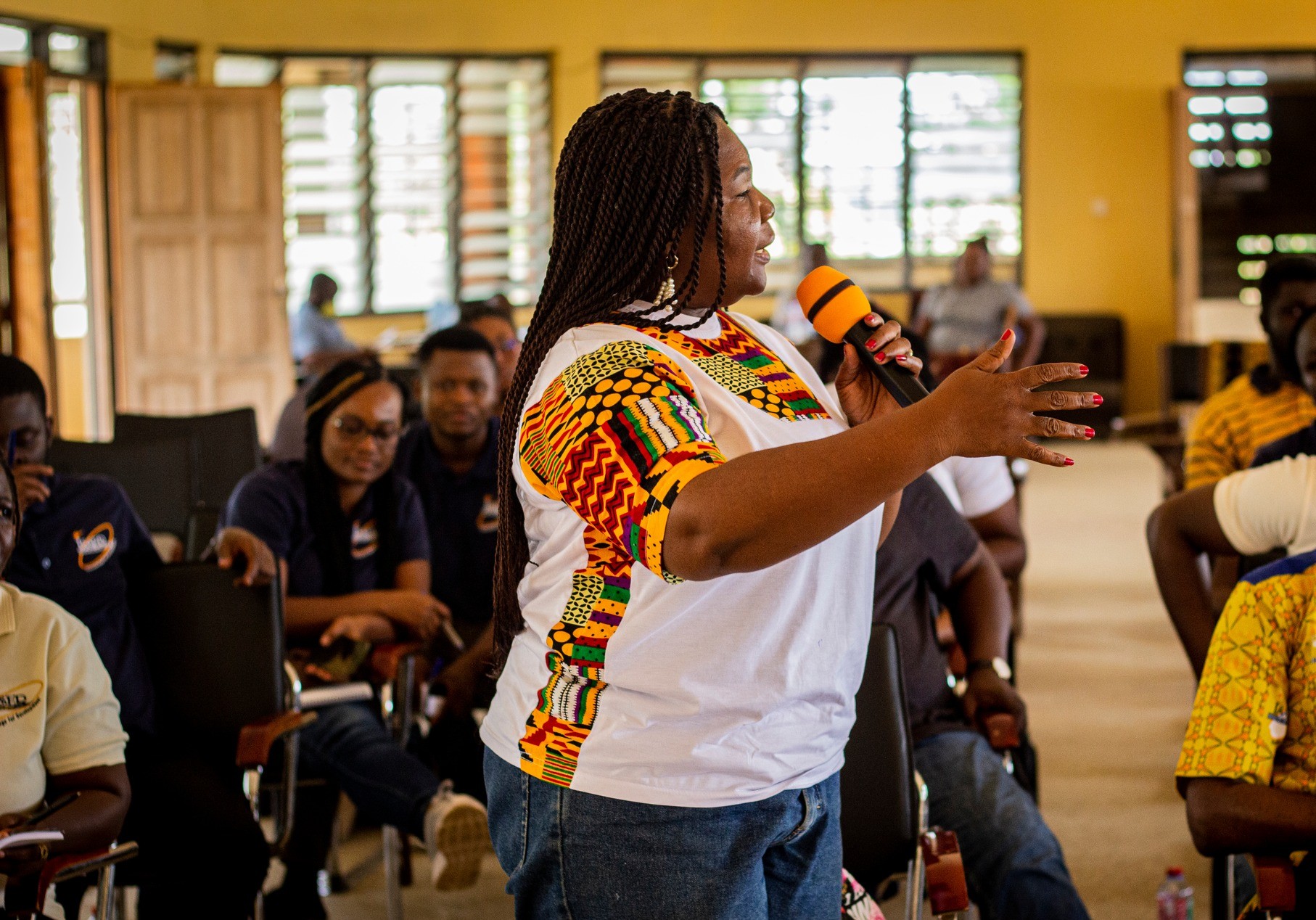
Led and coordinated ISSER's flagship short course programme for a decade, empowering professionals and policymakers.
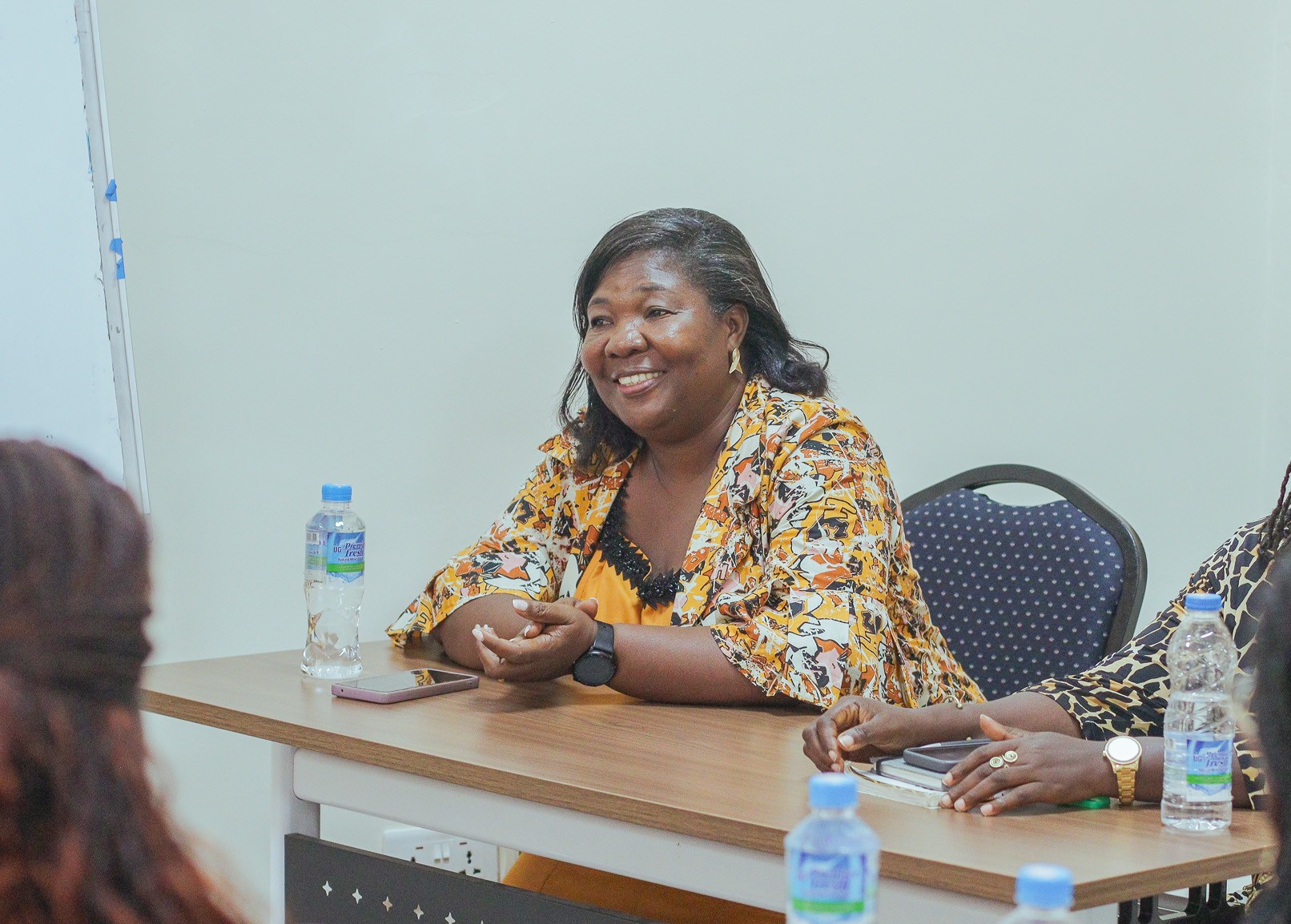
Welcomed the new batch of graduate students to ISSER, exposing them to programmes, resources, and support available.
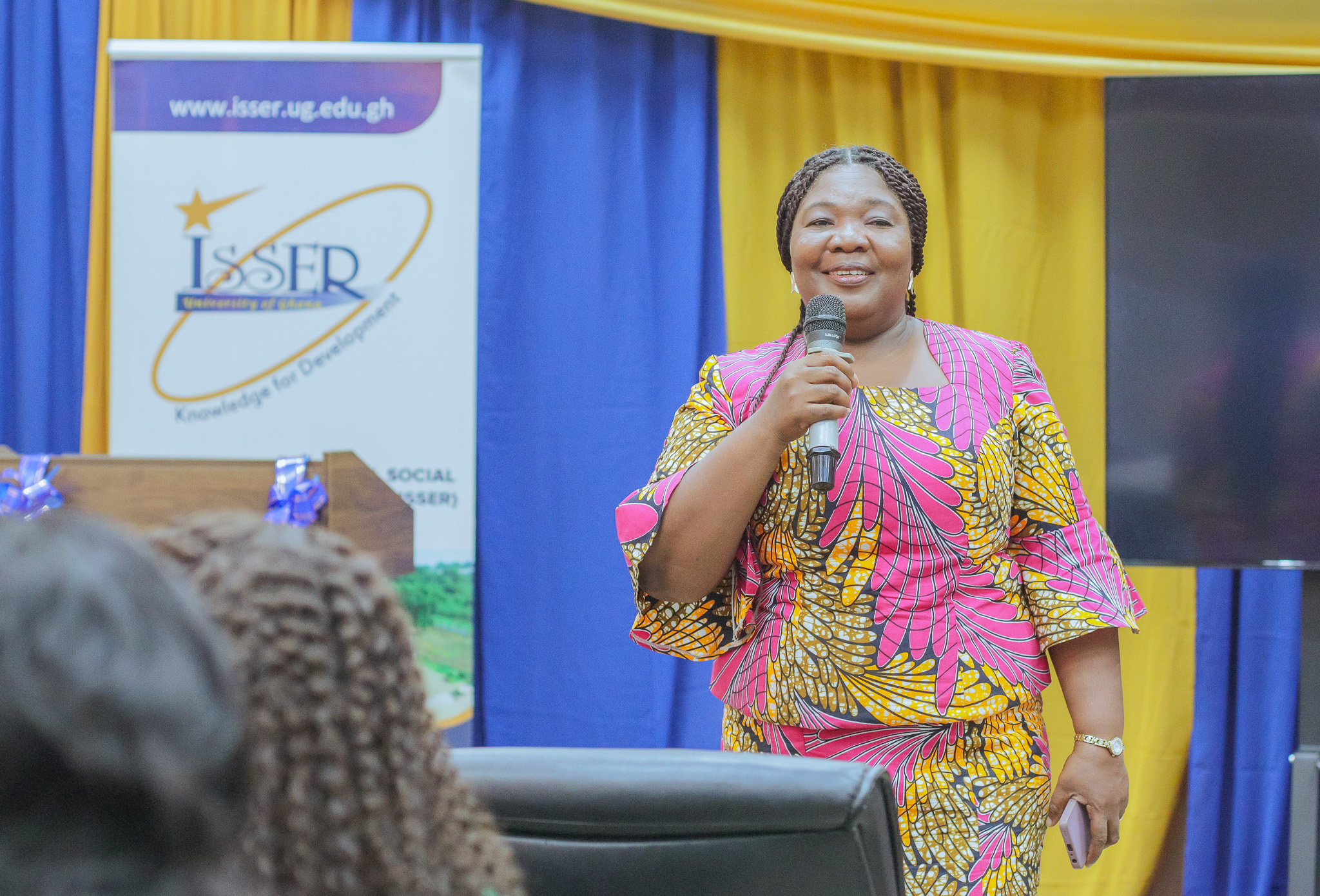
Engaged with ISSER alumni from MA/MPhil and PhD programmes to inspire, connect, and reflect with the alumni community.
This chapter explores the experiences of traders and assesses the effect of the pandemic on their businesses, the strategies they used, and significant gendered differences. The chapter shows that the COVID-19 pandemic had both positive and negative effects on the traders, with significant gendered dimensions.
This paper examines the factors that influence the career trajectories of Ghanaian women in leadership roles within Science, Technology, Engineering and Mathematics (STEM) fields. Drawing on 20 in-depth interviews, it explores the barriers to women's leadership and the strategies employed to overcome them, grounded in the feminist epistemology of intersectionality and structuration.
Grounded in crisis and vulnerability theories, this paper explores how systemic inequalities and the COVID-19 public health shock heightened food insecurity and induced diverse coping strategies among internal migrants in Accra. Drawing on a survey of 100 migrants from Old Fadama and Agbogbloshie, it compares food security trends across the pre-COVID, during-COVID and post-COVID periods.
Across sub-Saharan Africa, progress on gender equality in the workplace has been made, but significant gaps remain in STEM leadership: women hold under 30% of middle and senior positions and are even less represented at the top, with only 17.8% acting as Vice Presidents and 12.4% as Chief Officers. This chapter analyses policy responses with insights from water-related sectors in Ghana and Kenya.