Chairing the launch of the Pyramid Social & Emotional Learning Programme in Ghana, Dr. Cynthia Addoquaye Tagoe reflects on what true inclusion demands — and why the real work only begins after the launch.
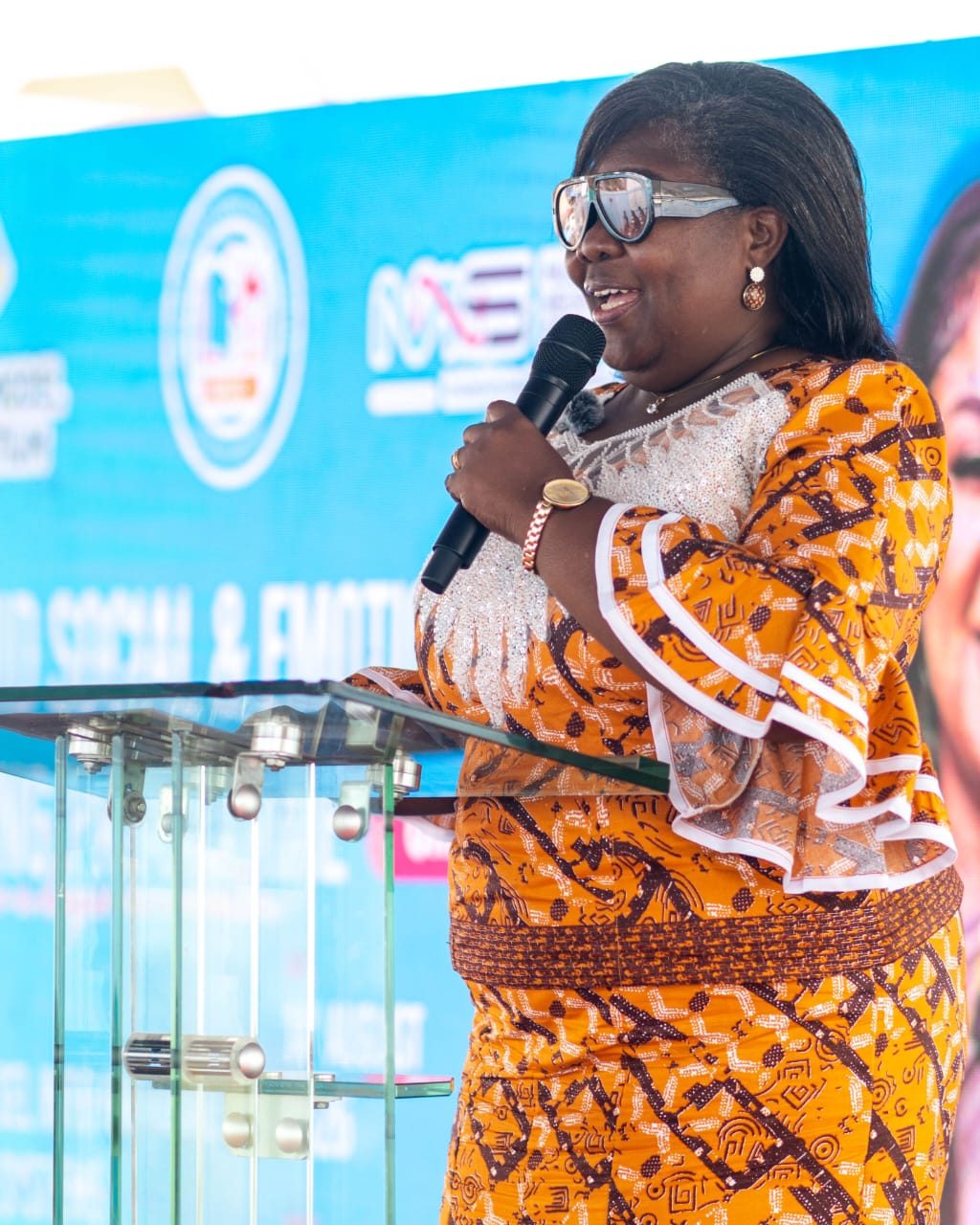
I recently had the privilege of chairing the launch of the Pyramid Social & Emotional Learning Programme in Ghana. I accepted the role with a strong sense of responsibility because much of my career sits at the intersection of research, education, mentoring and community development. Whether through my work at ISSER, mentoring young people through the SWAG Mentorship Programme or supporting initiatives focused on children and education, I have continually returned to one question: how do we create environments in which people are genuinely able to flourish? For children, that question begins much earlier than we sometimes think.
Education Is More Than Academic Performance
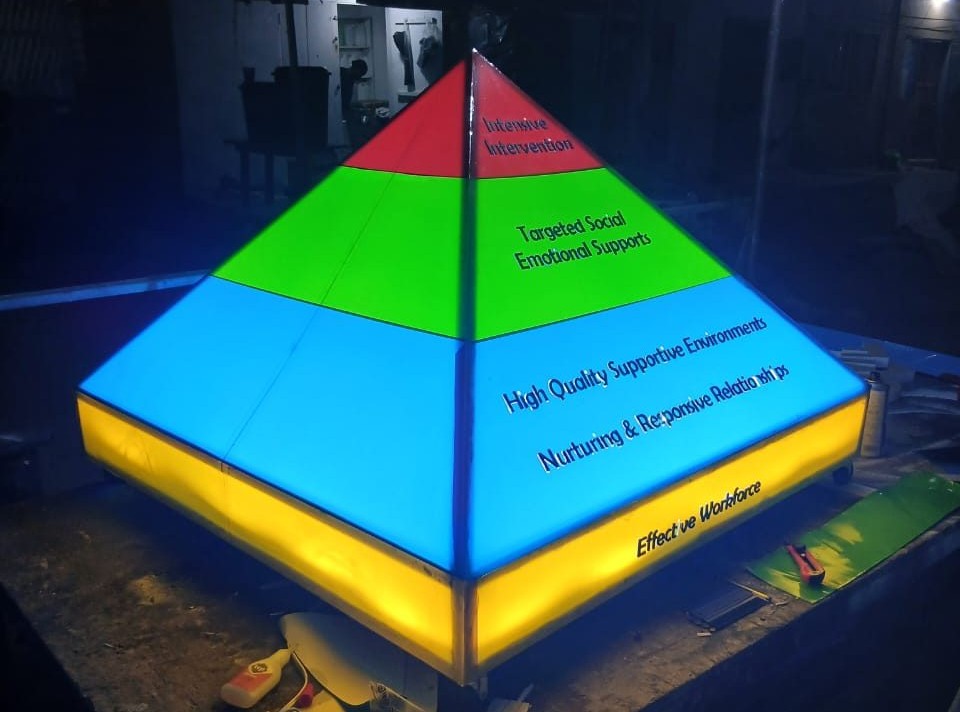
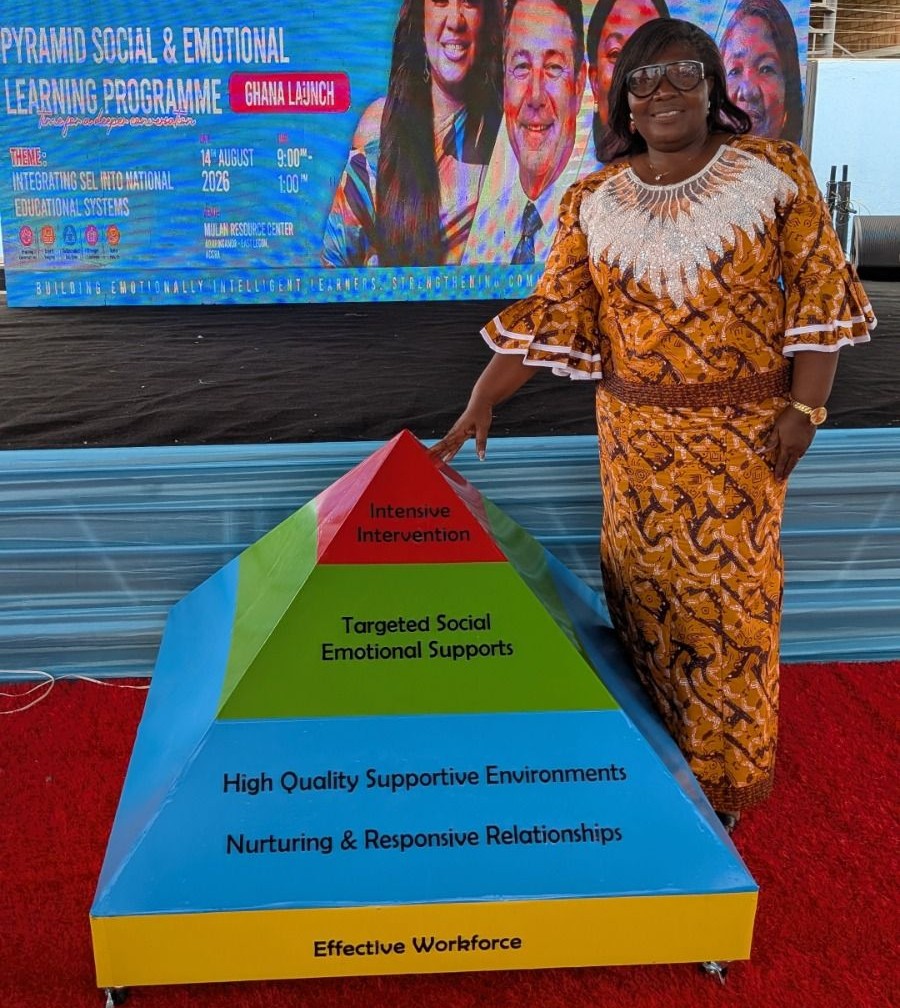
We understandably care about literacy, numeracy, examination results and school completion — but what about our ability to understand emotions, form healthy relationships, manage disappointments, communicate a need or ask for help? These help make learning possible. How do these experiences, however, translate in a child's education? That is one reason the Pyramid Model caught my attention. The Pyramid Model brings an evidence-informed approach to social and emotional development and organises support around three levels: a strong foundation for every child, additional support for children who need it, and individualised intervention for children experiencing more persistent challenges. The idea is simple, but important: children do not all need the same level of support, but every child needs to be supported.
What Is a Child Trying to Tell Us?
When a child repeatedly struggles in the classroom, our first question can easily become: how do we stop this behaviour? Perhaps we should, sometimes, ask: what is this child trying to tell us, and what support does this child need? In this way, we move from simply controlling that behaviour towards understanding the child. This is particularly important as Ghana continues conversations about inclusion, positive discipline and neurodiversity. Teachers, caregivers and families are already doing much of this work, often without enough training, tools or institutional support.
Inclusion Must Mean More Than Presence
I am particularly concerned about what inclusion means for children who are neurodivergent or who experience the world differently. Placing children in the same classroom is not, by itself, inclusion. True inclusion means that our teachers, classrooms and educational systems are equipped to recognise different ways of learning, communicating, relating and experiencing the world. A child should not have to fit one narrow definition of the "ideal learner" before being valued.
The Real Work Begins After the Launch
Ghana's Standards-Based Curriculum already recognises social-emotional competencies as important learning outcomes. The challenge, therefore, is not only one of policy but one of implementation. How do we translate those intentions into everyday classroom practice? How do we equip teachers? How do we provide coaching? How do we involve families? And how do we learn honestly from what works and what does not?
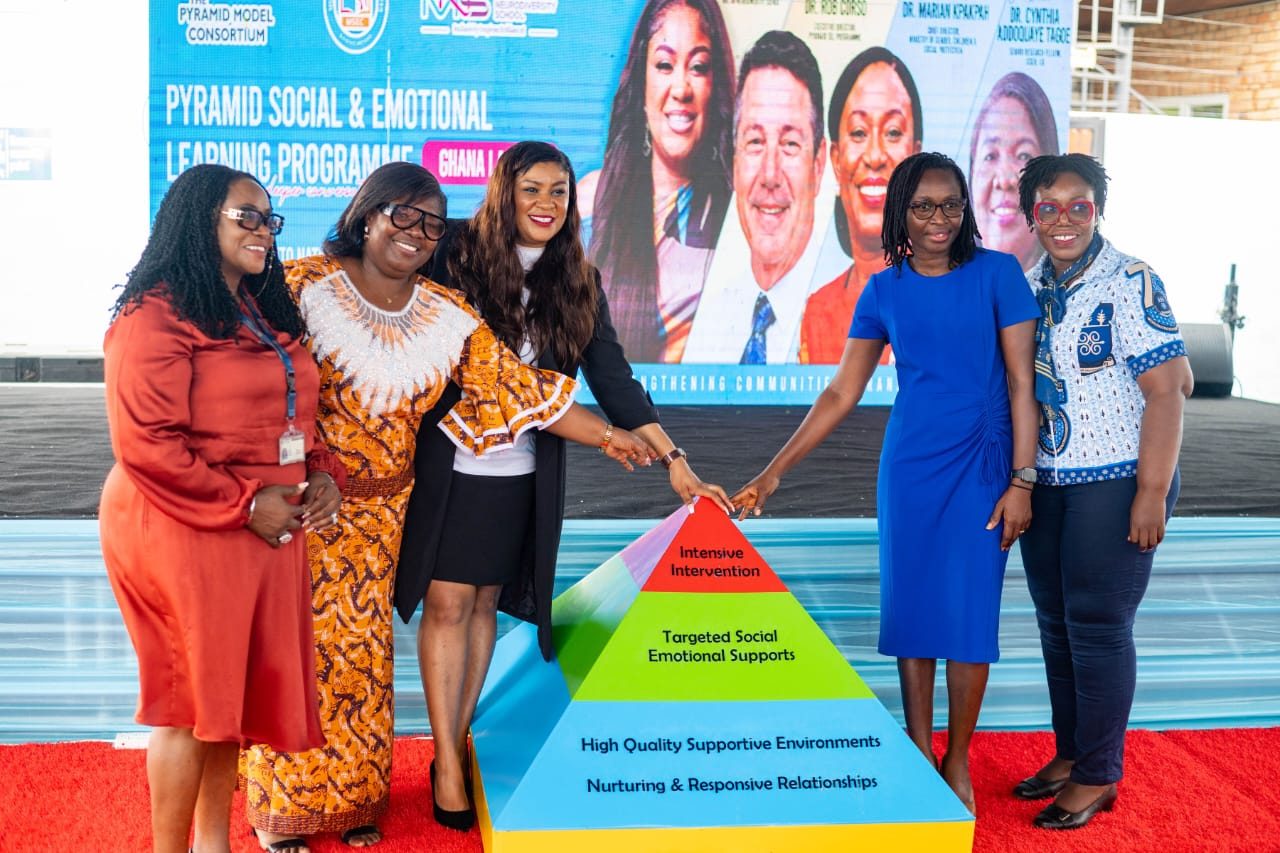
That is why I do not see the launch as an achievement in itself. The real work begins afterwards — through teacher training, sustained coaching, committed school leadership, family engagement and collaboration among government, academia, practitioners and civil society. Ultimately, the success of social and emotional learning will not be measured by the number of programmes we launch. It will be measured in the experience of the child. Does the child feel safe, understood or belonging — and more importantly, is the system prepared to respond when that child needs help? We each have to answer these questions in our respective spaces and roles. But while at it, let's work with the principle that every child matters, every child is capable of learning, and every child deserves an environment in which they can feel safe, understood, valued and supported to flourish.
Over to us.
Continue exploring